The Interplay of Behavioral Metrics and Incentive Allocation in Digital Reward Ecosystems
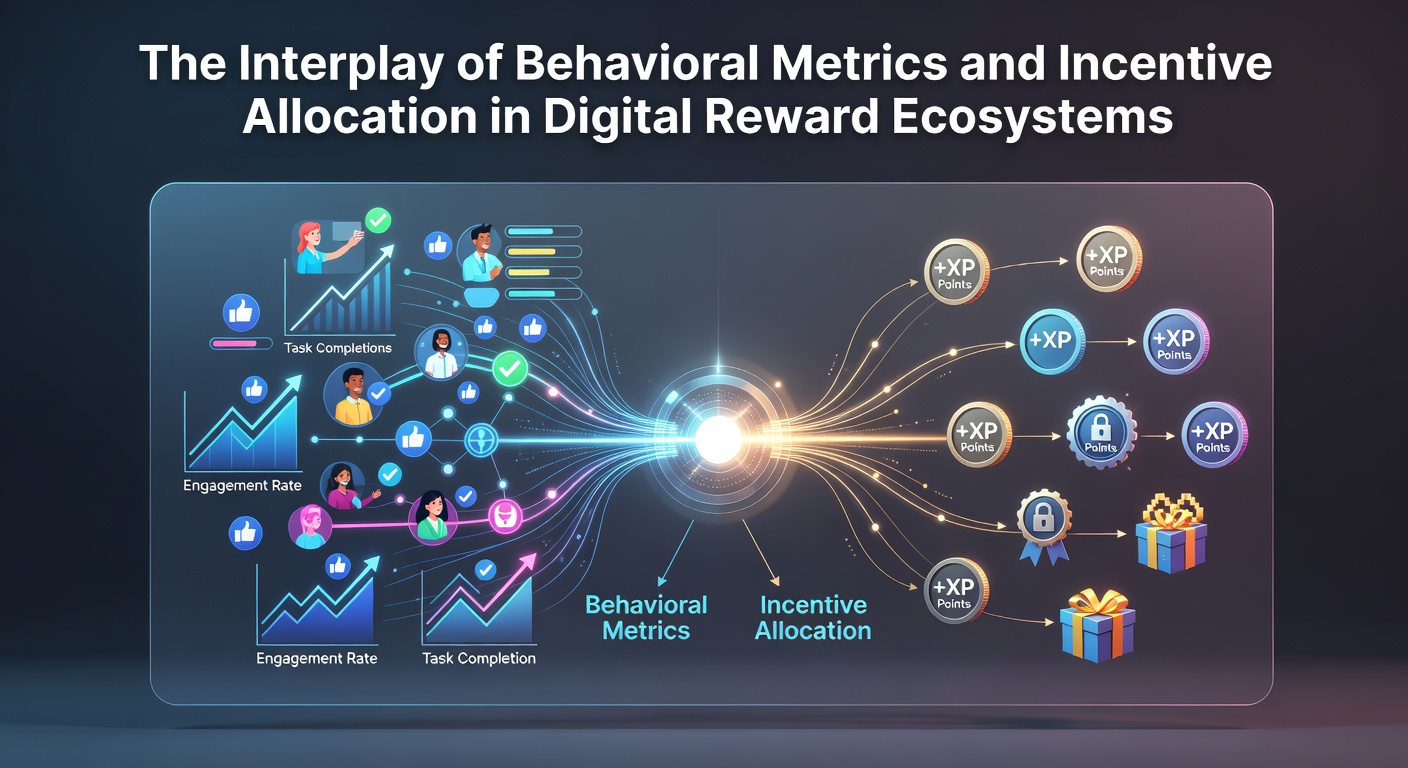
Digital reward ecosystems operate through continuous collection of user interaction data that shapes how platforms distribute points, badges, discounts, and other incentives, and observers note that behavioral metrics such as session duration, click-through rates, and repeat engagement directly inform allocation algorithms across e-commerce sites, fitness applications, and loyalty programs. Research indicates these systems analyze patterns in real time, adjusting reward tiers to encourage sustained activity while maintaining cost efficiency for operators.
Core Behavioral Metrics Driving Allocation Decisions
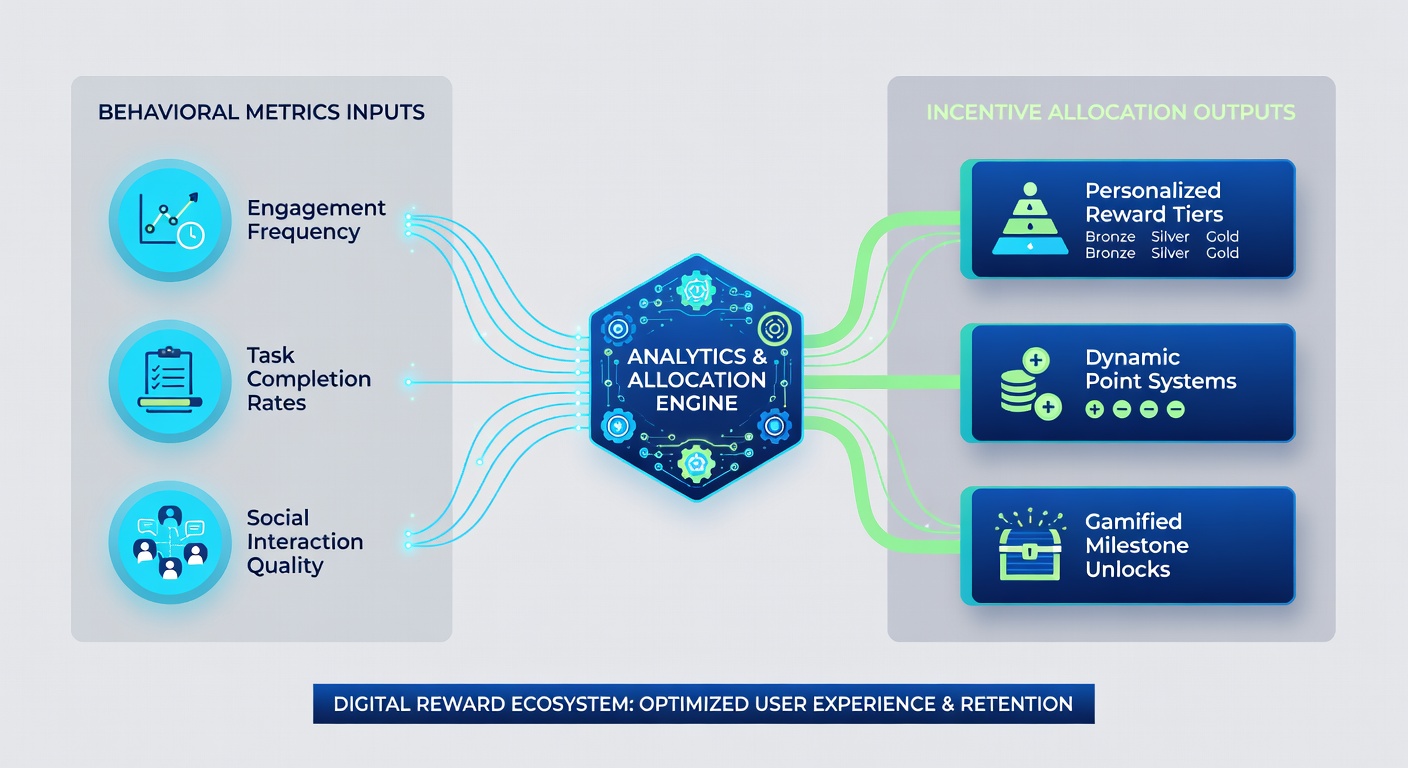
Platforms track a range of indicators that reveal user habits, and data from industry reports shows engagement frequency, spending velocity, and content sharing rates serve as primary inputs for determining incentive levels. When users complete tasks like daily logins or product reviews, systems record these actions and feed them into models that predict future behavior, allowing operators to allocate higher-value rewards to segments demonstrating consistent interaction. Studies from academic institutions have found that combining time-based metrics with demographic signals produces more precise targeting, although privacy regulations require anonymization of certain data points before processing occurs.
Mechanisms of Incentive Distribution
Allocation occurs through rule-based engines and machine learning models that balance user retention goals against budget constraints, and evidence suggests dynamic pricing of rewards emerges when systems detect drops in participation rates. For instance, a user who reduces weekly app usage might receive a limited-time bonus to re-engage, whereas high-frequency participants qualify for escalating tiers that unlock exclusive experiences. Operators integrate these mechanisms into broader customer relationship management tools, ensuring rewards align with observed value rather than uniform distribution across all accounts.
Data Integration Across Platforms
Cross-platform data sharing has expanded the scope of behavioral tracking, and reports from regulatory bodies such as the Federal Trade Commission highlight how aggregated metrics from multiple services refine incentive strategies. Users who link accounts across shopping and social applications often receive coordinated rewards, such as bonus points for completing actions on one site that unlock benefits on another. This interconnected approach relies on secure data pipelines that comply with regional standards while enabling operators to map broader behavioral trends over time.
What's interesting is how seasonal shifts influence allocation patterns, and figures from 2025 analyses reveal increased reward density during periods of lower baseline engagement. Platforms adjust thresholds for earning multipliers when external factors like holidays or back-to-school cycles affect user routines, creating temporary surges in activity that operators then measure against long-term retention outcomes.
Impact on User Retention and Platform Economics
Behavioral metrics guide not only immediate rewards but also long-term program sustainability, and research indicates that targeted allocation reduces churn rates more effectively than blanket promotions. Operators monitor redemption patterns to identify which incentives drive repeat purchases versus one-time actions, refining future distributions accordingly. In May 2026, several major platforms are expected to roll out enhanced predictive tools that incorporate real-time sentiment analysis from user feedback, further tightening the link between observed behavior and reward value.
Those who've examined these systems observe that transparency features now appear more frequently, with users gaining access to simplified dashboards showing how their metrics influence available incentives. Such additions stem from evolving compliance requirements in multiple jurisdictions, where clear disclosure of data usage supports continued operation of sophisticated allocation engines.
Emerging Patterns in Reward Ecosystems
Collaborations between reward platforms and third-party data providers continue to evolve allocation logic, and evidence from trade association studies shows integration of location-based signals alongside traditional engagement metrics. Users who frequent certain physical locations paired with digital interactions may receive context-specific offers, expanding the reach of incentive strategies beyond screen-based activity alone. These developments maintain focus on measurable outcomes, with platforms evaluating success through metrics like lifetime value and participation depth rather than isolated transaction counts.
Conclusion
The relationship between behavioral metrics and incentive allocation forms the operational backbone of digital reward ecosystems, where continuous data analysis enables precise distribution of benefits that align with user actions. As platforms refine their models through 2026 and beyond, the emphasis remains on measurable patterns that support both retention objectives and regulatory compliance across varied regions and service types.