Referral Dynamics Reshaping Submission Volumes in Incentive-Driven Marketing Campaigns
 Referral programs have begun altering submission patterns across incentive-based promotions, where participants earn additional chances by inviting others to join. Data from multiple campaigns shows measurable increases in total entries when referral mechanics activate, particularly in daily and weekly prize structures that reward both the referrer and the new entrant. These systems operate through unique tracking codes assigned at signup, which log each successful referral and trigger bonus submissions automatically once thresholds are met.
Mechanics Driving Volume Growth
Campaign operators implement referral layers that stack onto standard entry forms, allowing one participant to generate multiple submissions through network effects rather than repeated personal actions alone. When a referred individual completes their first entry, the original referrer receives extra chances that compound over time, and this process repeats across subsequent connections. Figures from promotional tracking platforms indicate submission volumes can rise by 30 to 50 percent within the first two weeks after referral features launch, compared with baseline periods that lack such incentives.
June 2026 data from active cash prize programs reveals that campaigns incorporating tiered referral rewards, such as five additional entries per successful signup, consistently outperform those limited to single-entry mechanics. The added volume stems from participants sharing links across social channels and email lists, creating chains that extend beyond initial audiences. Observers note these patterns hold across both localized and national promotions, though geographic clusters form when participants concentrate referrals within existing communities.
Patterns in Submission Timing and Scale
Submissions cluster around referral activation points, with spikes occurring shortly after participants receive confirmation of bonus entries. Research indicates that programs releasing referral progress updates in real time sustain higher ongoing volumes than those providing only end-of-period summaries. One documented case involved a multi-week incentive sequence where daily referral notifications correlated with sustained entry rates through the campaign duration, whereas static reward announcements produced shorter bursts followed by rapid declines.
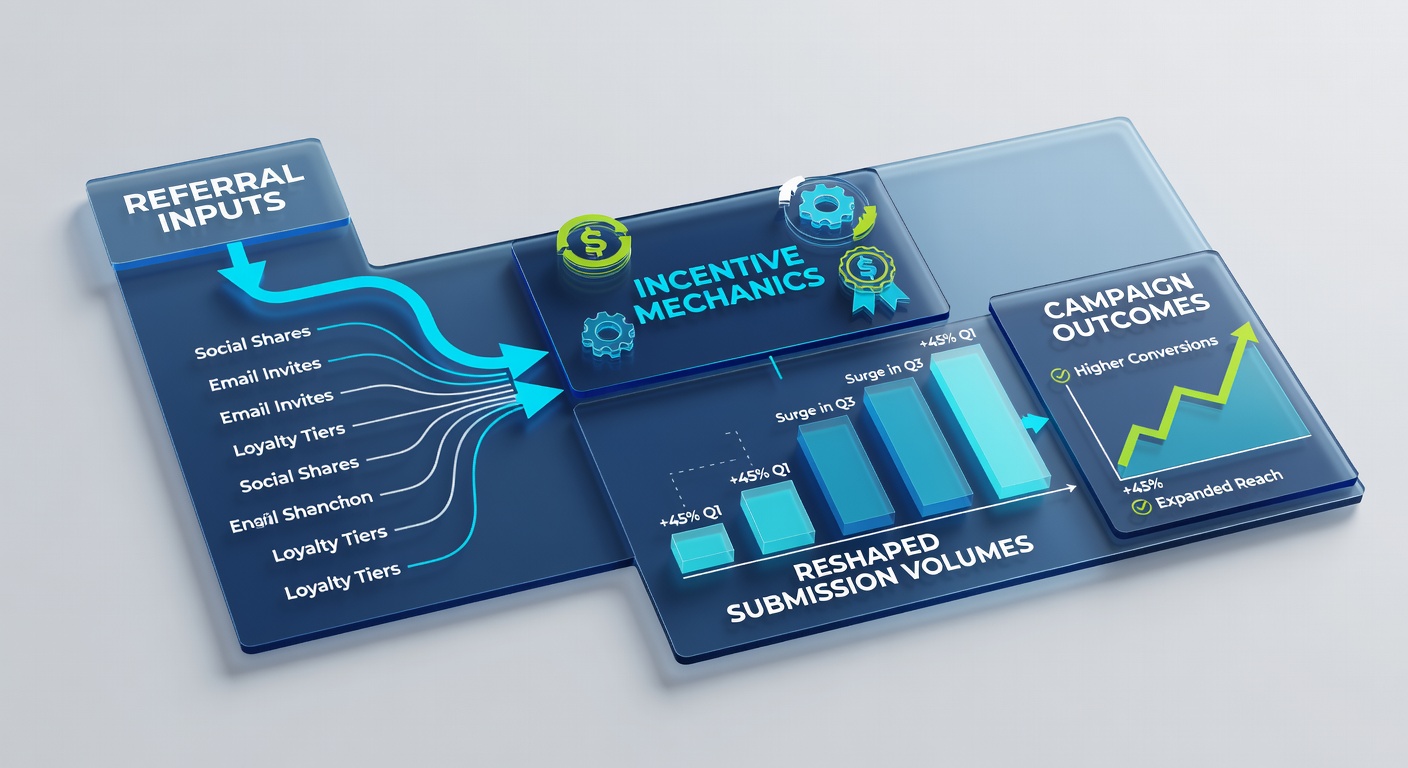
Volume redistribution appears when referral incentives favor specific entry types, such as those requiring partner offer completions. Participants route more submissions toward qualifying actions to unlock referral bonuses, shifting the overall mix away from simpler free-entry methods. According to tracking reports issued by industry monitoring services, this redirection can account for up to 40 percent of total submissions in programs that tie referral rewards directly to verified partner actions.
Regulatory Context and Compliance Factors
Agencies overseeing promotional activities, including the Federal Trade Commission in the United States and the Competition Bureau in Canada, require clear disclosure of referral terms so participants understand how invitations affect prize eligibility. These guidelines influence how operators structure bonus calculations and prevent undisclosed stacking that could distort volume measurements. Campaigns that align referral mechanics with published rules maintain higher participation rates because entrants trust the process and continue sharing links.
Industry associations such as the Interactive Advertising Bureau have published guidelines on tracking referral attribution across devices, which helps standardize volume reporting. When operators follow these standards, aggregated data shows more accurate pictures of how referrals contribute to overall submission totals rather than inflated counts from duplicate entries.
Comparative Effects Across Campaign Types
Daily contest formats experience different volume dynamics than longer seasonal promotions because referral bonuses reset or accumulate on shorter cycles. In daily structures, participants often focus referrals on high-value prize days, concentrating submissions and creating pronounced peaks. Seasonal campaigns, by contrast, distribute referral activity more evenly when bonuses carry forward across multiple weeks, leading to steadier cumulative volumes.
Evidence from cross-platform promotions demonstrates that layering referral options with partner offers produces additive effects on submission counts, whereas standalone referral programs without partner integration show more modest lifts. Those managing these campaigns track referral source data to identify which channels, whether email, messaging apps, or social networks, generate the highest conversion to actual entries.
Conclusion
Referral dynamics continue to modify submission volumes by introducing network-based incentives that multiply individual actions across connected participants. Tracking systems capture these expansions through coded links and bonus triggers, while regulatory frameworks ensure transparency around how volumes translate into prize opportunities. Patterns observed through mid-2026 indicate sustained growth in campaigns that integrate referral layers with clear attribution and compliance measures, reshaping how operators measure and project entry totals in incentive-driven environments.