Platform Pivots and Participation Patterns: Examining Shifts After Social Media Policy Updates in Promotional Giveaways
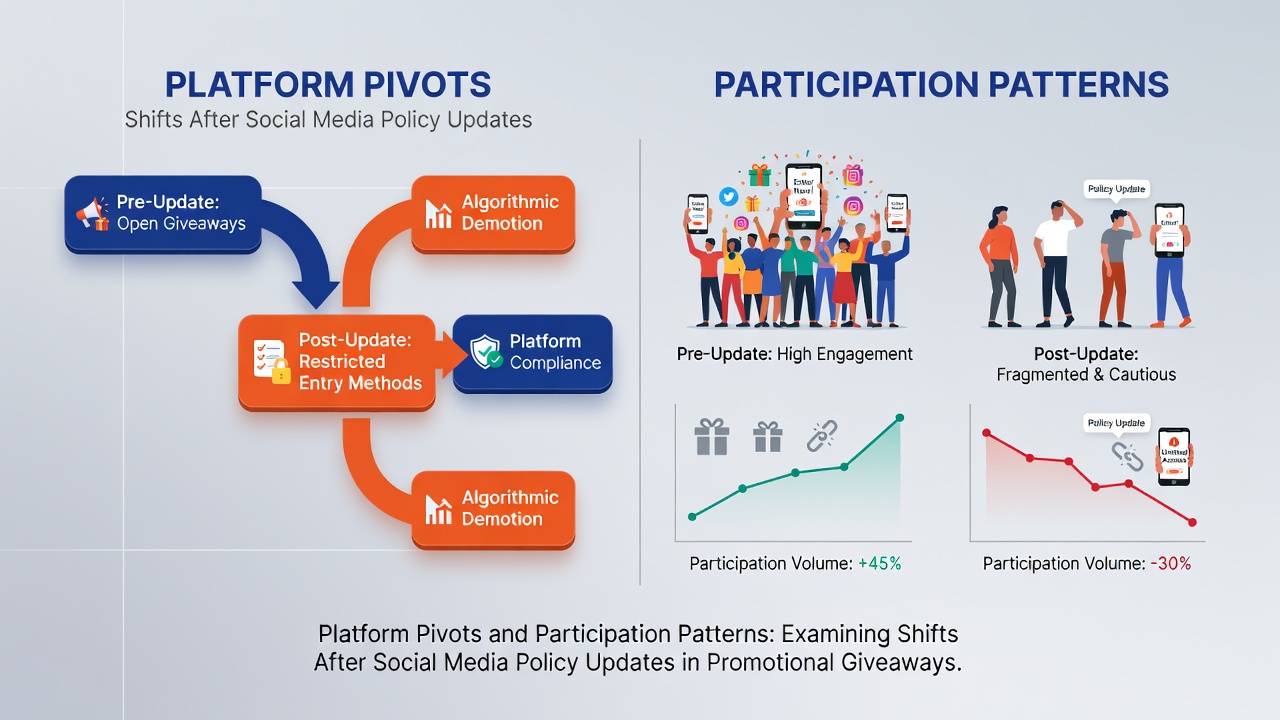
Policy adjustments on major social networks have prompted brands and promoters to redirect their giveaway activities across different channels, and data from industry tracking services show measurable changes in how entrants interact with these promotions. Updates rolled out by platforms like Meta and X between late 2025 and early 2026 tightened rules around automated posting, boosted visibility for commercial content, and restricted certain tagging practices that previously drove entry volumes. Observers note that these modifications coincide with increased activity on alternative networks, including TikTok and emerging Discord communities, where giveaway hosts report steadier submission rates through July 2026.
Policy Changes and Initial Platform Responses
Meta introduced revised guidelines in December 2025 that limited the use of promotional hashtags in organic posts and required clearer disclosure for branded collaborations. Those adjustments followed earlier enforcement actions from the Federal Trade Commission, which continues to monitor deceptive advertising practices across digital channels. Meanwhile, X updated its API access tiers in January 2026, raising costs for automated contest management tools that many sweepstakes operators had relied upon. Brands responded by testing native posting features on YouTube Shorts and Instagram Reels, where algorithmic distribution still favors short-form video entries that include simple call-to-action overlays.
Research compiled by the Interactive Advertising Bureau indicates that promotional posts on Meta properties experienced a 28 percent drop in reach for campaigns using legacy hashtag strategies during the first quarter of 2026. In response, organizers shifted budgets toward paid amplification on the same platforms while simultaneously launching parallel campaigns on TikTok, where duet and stitch features allow entrants to create their own submission videos without triggering the same automation flags.
Observed Shifts in Participation Volumes
Entry data aggregated from multiple promotion management platforms reveals that daily submission counts on Meta-hosted giveaways declined by an average of 19 percent between February and June 2026. Those figures contrast with a 34 percent rise in TikTok-based entries during the same interval, according to metrics shared in quarterly reports from several sweepstakes technology providers. Participants appear to favor the short video format because it permits creative interpretations of entry requirements, such as demonstrating product use or sharing personal stories tied to the prize theme.
Geographic patterns also emerged in the data. Campaigns targeting North American audiences showed stronger migration toward YouTube Community posts, whereas European operators reported increased activity inside closed Telegram groups that bypass public algorithm restrictions. Canadian regulators at the Competition Bureau have issued updated guidance documents clarifying disclosure requirements for cross-border promotions, and promoters cite these clarifications as another factor encouraging diversification beyond any single social network.
Entry Method Adaptations Across Networks
Traditional mechanics that once centered on liking, commenting, and tagging friends have given way to platform-specific alternatives. On TikTok, hosts now request that entrants stitch an original video or use a branded sound clip, actions that align with the network's recommendation engine. X campaigns have pivoted toward quote-tweet prompts that encourage original commentary rather than simple retweets, a change implemented after the platform's January API adjustments. These adaptations maintain compliance while preserving measurable engagement signals that organizers track through built-in analytics dashboards.
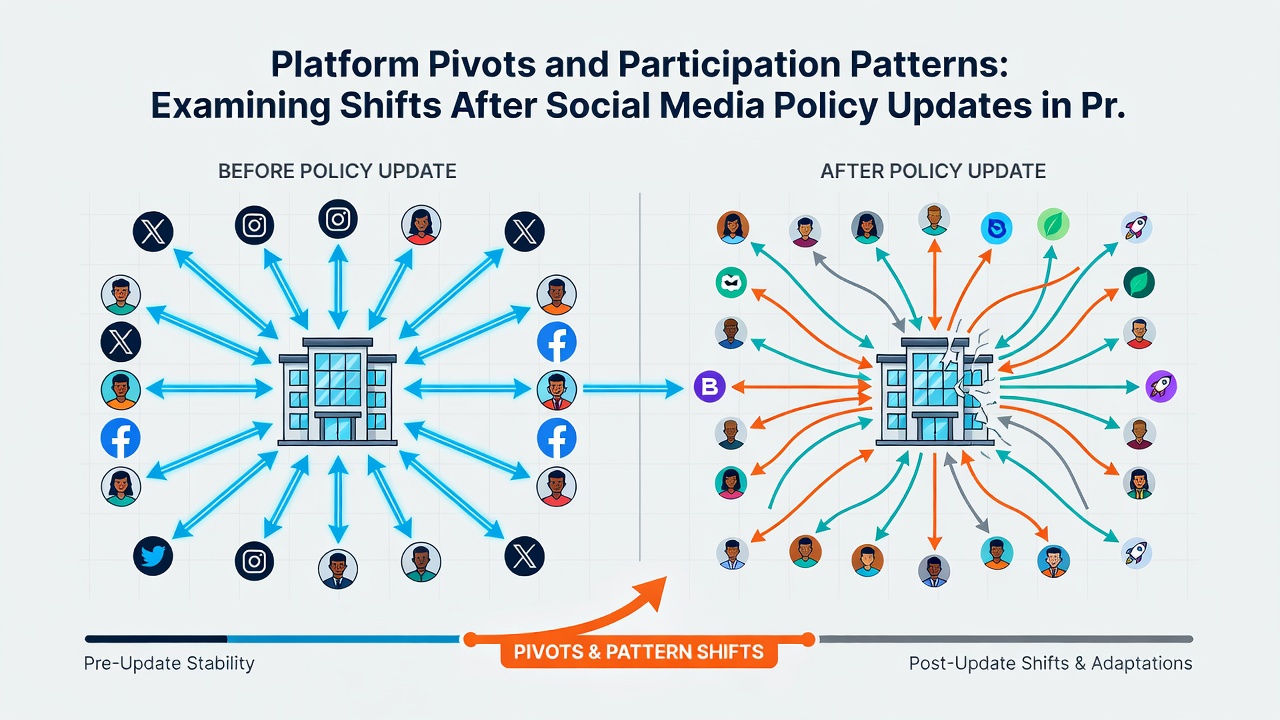
One multi-brand campaign launched in April 2026 combined Instagram Stories polls with a TikTok hashtag challenge. Internal performance logs from that promotion indicated that 62 percent of total entries originated on TikTok despite equal media spend across both networks. The remaining volume arrived through Stories interactions, suggesting that shorter, ephemeral formats continue to capture attention even after policy tightening.
Regulatory Context and Cross-Platform Compliance
Promoters operating in multiple jurisdictions must align their rules with varying disclosure standards. The Australian Competition and Consumer Commission maintains publicly available guidelines that address social media promotions, and several operators reference these documents when structuring giveaways that reach audiences across the Asia-Pacific region. Similar documentation exists from the European Commission's consumer protection portals, which emphasize clear terms for data collection during entry processes. These regulatory frameworks encourage the use of landing pages hosted on brand websites rather than exclusive reliance on any single social profile for collecting entrant information.
Through July 2026, tracking services continue to log steady growth in hybrid entry systems that route participants from social posts to dedicated micro-sites. Such systems allow promoters to maintain consistent data practices while adapting creative assets to each platform's current policies. The pattern reflects a broader industry adjustment rather than a temporary reaction to any one update.
Conclusion
Platform policy revisions have produced measurable redistribution of giveaway activity, with participation volumes migrating toward networks whose current mechanics better accommodate creative entry formats. Data collected through the first half of 2026 illustrate these transitions without indicating any single platform's permanent dominance. Brands and technology providers continue to monitor regulatory updates and algorithm changes, adjusting entry mechanics accordingly while preserving compliance across regions.