Ledger Echoes: Tracing Data Lineage Through Multi-Tier Incentive Verification Chains
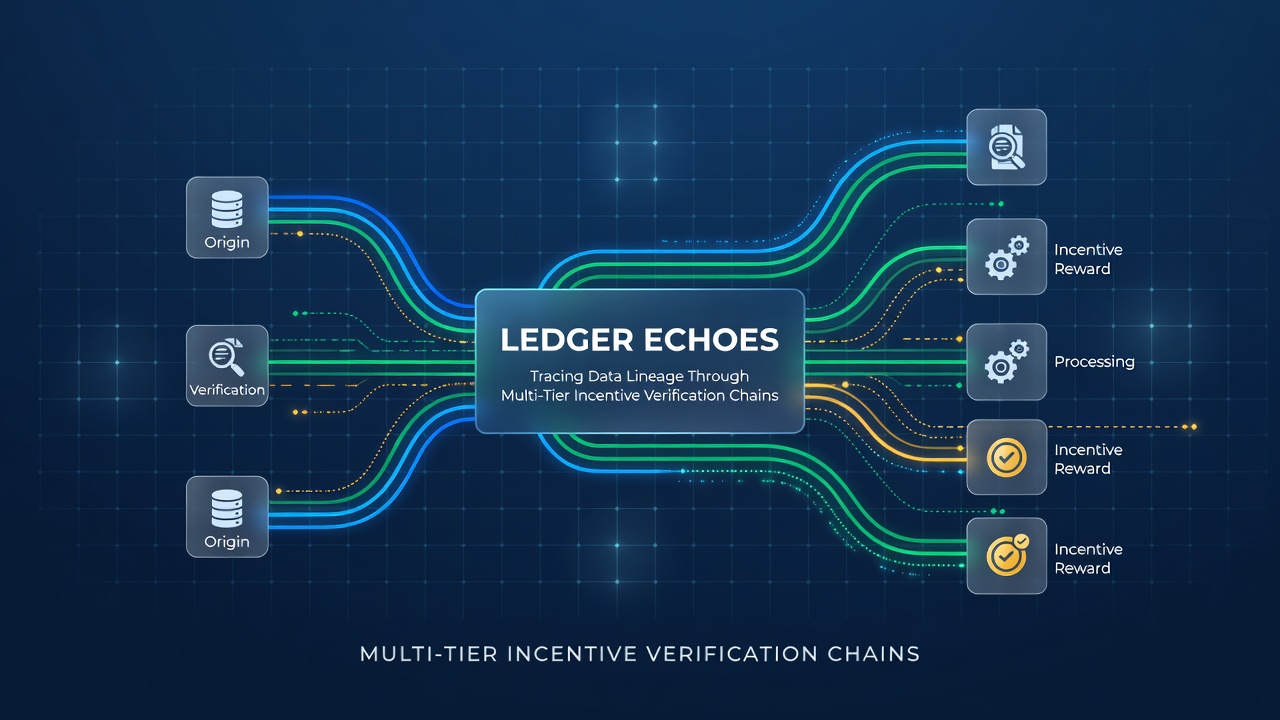
Multi-tier incentive verification chains rely on sequential data checks that link participant actions across several platforms and partners, while ledger echoes refer to the persistent records created when each verification step logs its inputs and outputs in a traceable sequence. Data lineage in these systems documents every transformation applied to incentive-related entries, from initial submission through final reward allocation, and organizations maintain these records to satisfy audit requirements that regulators enforce in various jurisdictions.
Core Components of Multi-Tier Verification
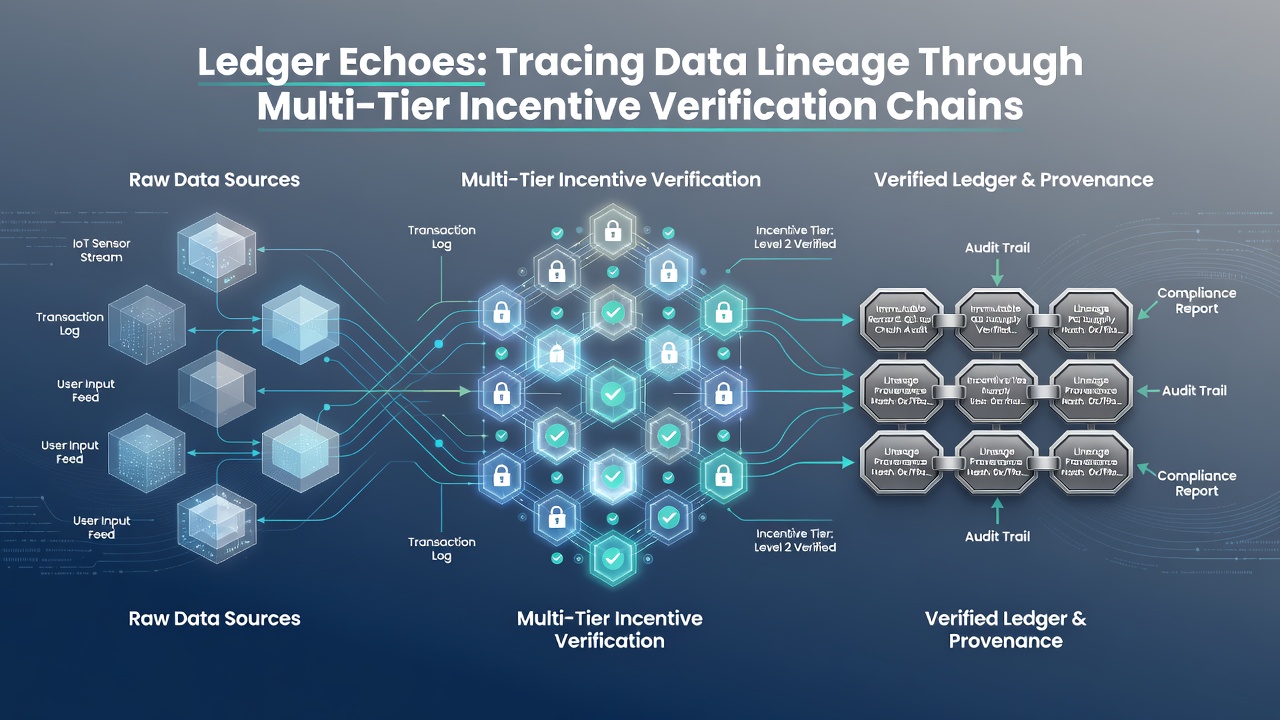
Verification begins at the entry layer where user-submitted data undergoes format validation and basic eligibility screening, then passes to partner systems that apply additional rules such as geographic restrictions or activity thresholds before reaching the final distribution ledger. Each handoff creates an echo because the receiving tier records the source identifier, timestamp, and hash of the incoming dataset, allowing later reconstruction of the complete path without relying on any single centralized database.
Technical Mechanisms Supporting Lineage Tracking
Hash chaining forms the backbone of most implementations because each new record incorporates the cryptographic fingerprint of the previous one, which produces an immutable sequence that resists retroactive alteration once multiple copies exist across participating nodes. Distributed ledger frameworks extend this approach by replicating the chain across independent servers, and organizations often integrate these frameworks with existing customer relationship management platforms through standardized application programming interfaces that export verification events in real time. Researchers at institutions such as the University of Melbourne have documented how timestamp synchronization across time zones prevents duplicate processing when entries arrive from global participant pools.
Regulatory Context and Reporting Obligations
Data protection authorities require organizations to demonstrate that incentive allocations follow documented rules rather than ad hoc decisions, and the European Data Protection Board issued guidance in 2024 that emphasizes teh need for verifiable lineage when personal data flows through multiple commercial entities. In parallel, the Australian Competition and Consumer Commission has examined similar chains in loyalty programs where points convert into prizes, noting that incomplete lineage records complicate investigations into whether participants received promised rewards. These requirements become particularly relevant in June 2026 when updated cross-border data transfer rules take effect in several Asia-Pacific markets, prompting companies to upgrade their logging infrastructure ahead of enforcement deadlines.
Implementation Patterns Observed in Practice
One common pattern appears in campaigns that layer daily entry opportunities with partner promotions, where the primary operator records an initial entry identifier and then appends partner-specific flags as the data moves downstream. Observers note that this method reduces reconciliation errors because each tier can independently confirm whether its rules were satisfied before forwarding the record onward. Another pattern emerges when activity benchmarks trigger additional chances, since the system must log both the baseline activity metric and the incremental bonus allocation within the same lineage thread to maintain auditability.
Challenges in Maintaining Complete Lineage
Interoperability gaps arise when partner platforms use incompatible data schemas, forcing intermediary translation layers that themselves generate new records and increase overall chain length. Latency variations between nodes can also produce temporary inconsistencies until synchronization protocols reconcile the echoed entries, and organizations address this by implementing consensus mechanisms borrowed from blockchain architectures. Studies from the National Institute of Standards and Technology have quantified how even minor timestamp drift affects the ability to sequence events accurately across international operations.
Emerging Standards and Future Developments
Industry groups including the Data & Marketing Association continue to develop voluntary frameworks that specify minimum fields for each verification echo, such as participant pseudonym, rule identifier, and outcome status. These frameworks aim to reduce the manual effort required during regulatory reviews while preserving participant privacy through selective disclosure techniques. As June 2026 approaches, several large-scale incentive platforms plan to pilot zero-knowledge proofs that allow external auditors to confirm lineage integrity without accessing raw personal data.
Conclusion
Multi-tier incentive verification chains generate persistent ledger echoes that enable reconstruction of every decision point from entry to reward, and organizations that maintain these records meet both operational and regulatory demands more effectively. Continued refinement of hash chaining, timestamp synchronization, and interoperability standards will shape how these systems evolve in the coming years.