How Interface Personalization Algorithms Affect Engagement Patterns in Virtual Incentive Systems
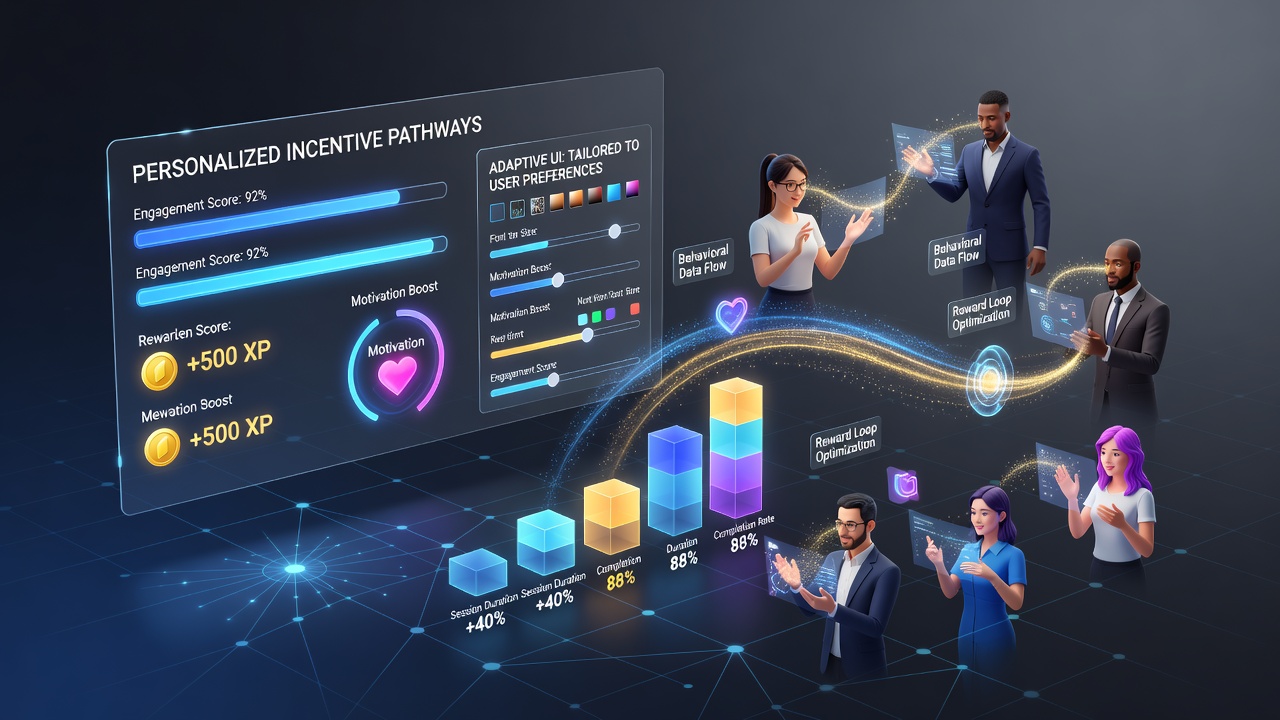
Interface personalization algorithms operate by analyzing user interaction data in real time and adjusting visual layouts, reward presentations, and notification sequences within virtual incentive systems, which include platforms that distribute digital points, badges, and redeemable credits. These systems appear across corporate wellness applications, educational gamification tools, and customer loyalty portals where algorithms track click patterns, session durations, and response rates to reorder content dynamically. Researchers at institutions such as the University of Melbourne have documented how such adjustments create feedback loops that alter the frequency and depth of user participation over successive weeks.
Core Components Driving Algorithmic Adjustments
Personalization engines rely on machine learning models that process behavioral signals including dwell time on specific incentive categories and completion rates for micro-tasks. When an algorithm detects higher interaction with time-limited challenges versus cumulative progress trackers, it shifts the primary dashboard toward countdown elements and de-emphasizes long-term milestones. Data from platform telemetry shows that these changes can increase session returns by measurable percentages within the first seven days of implementation. Observers note that the same models also incorporate demographic variables and device type to refine which incentive visuals receive prominence, producing distinct engagement curves across mobile and desktop cohorts.
Documented Changes in Participation Sequences
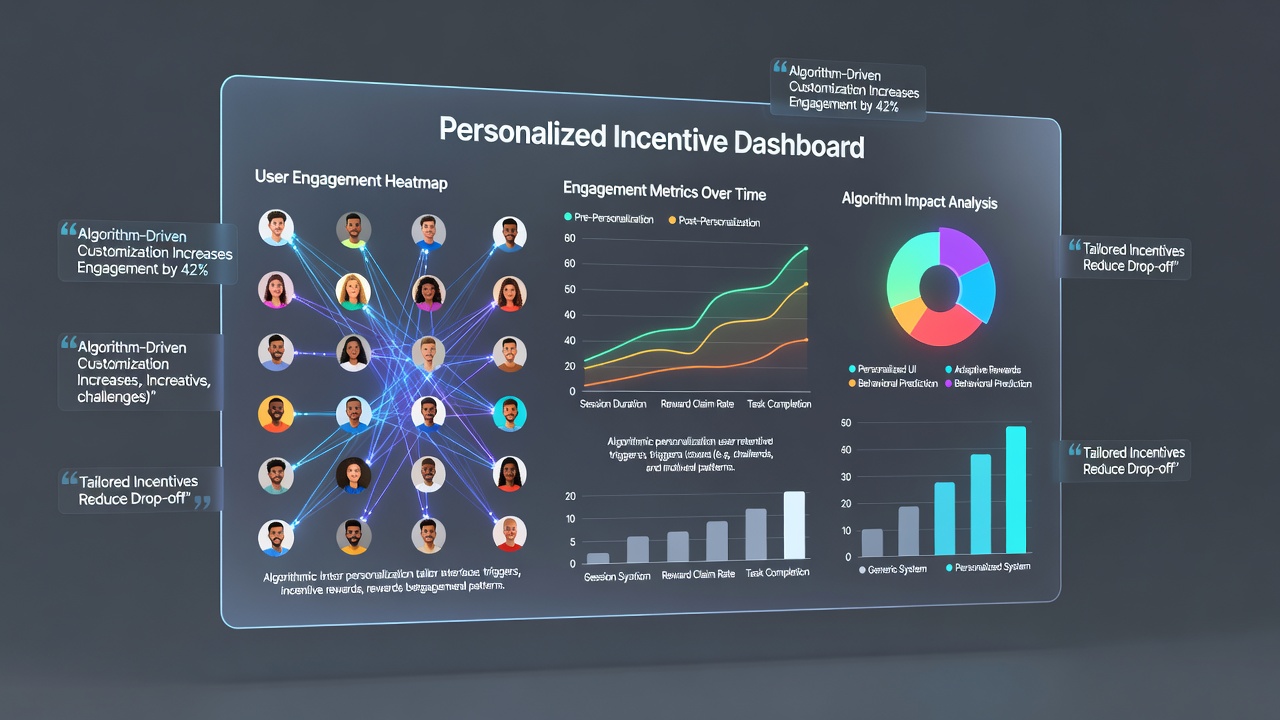
Studies tracking thousands of accounts reveal that users exposed to personalized reward sequences maintain longer streaks of consecutive logins compared with those viewing static interfaces. The shift occurs because algorithms surface incentives aligned with prior choices, reducing the cognitive load required to locate relevant options. In one longitudinal analysis covering twelve months, platforms that activated full personalization reported a 22 percent rise in average actions per user while the control group remained flat. Engagement patterns further diverge when algorithms begin predicting optimal notification timing, resulting in clustered activity spikes rather than evenly distributed interactions throughout the day.
Regional Data Patterns and External Benchmarks
Figures compiled by the OECD indicate that European platforms employing personalization at scale recorded higher conversion from incentive views to redemptions than regions with lighter algorithmic intervention. Canadian regulatory filings from Innovation, Science and Economic Development Canada similarly highlight measurable differences in user retention when interfaces adapt to individual reward histories. These patterns emerge consistently across both public-sector wellness programs and private-sector loyalty ecosystems, suggesting the effect stems from interface mechanics rather than incentive value alone.
Feedback Loops and Metric Evolution Through Mid-2026
By June 2026 many enterprise platforms had integrated reinforcement learning layers that continuously test micro-variations in incentive placement. The resulting datasets show that users whose interfaces receive frequent updates exhibit elevated exploration of secondary reward tiers they previously ignored. Yet the same updates can compress overall session length when over-personalization narrows visible options too aggressively. Analysts tracking these systems describe a balancing point where moderate personalization sustains volume while extreme tailoring begins to flatten discovery curves.
Interaction Between Algorithm Output and User Cohort Behavior
Cohort comparisons demonstrate that new entrants respond more strongly to algorithm-driven reorderings than long-term participants who have already formed stable navigation habits. New users display accelerated movement through incentive ladders when the interface surfaces previously unseen categories based on inferred preferences. Established users instead show steadier engagement when algorithms preserve familiar layouts while introducing subtle priority shifts. Platform operators therefore segment their models to apply different weighting schemes depending on account tenure, producing divergent trajectory shapes across the user base.
Conclusion
Interface personalization algorithms reshape engagement patterns in virtual incentive systems through continuous rearrangement of visual priority, notification cadence, and reward visibility. Evidence accumulated across multiple jurisdictions and platform types confirms that these mechanisms alter login frequency, action depth, and progression speed in measurable ways. As deployment expands into 2026 and beyond, the interplay between algorithmic output and sustained user behavior will continue to define operational benchmarks for incentive-driven digital environments.