Geotagged Wins: Mapping How Location Tech Influences Prize Claim Success in Localized Contests
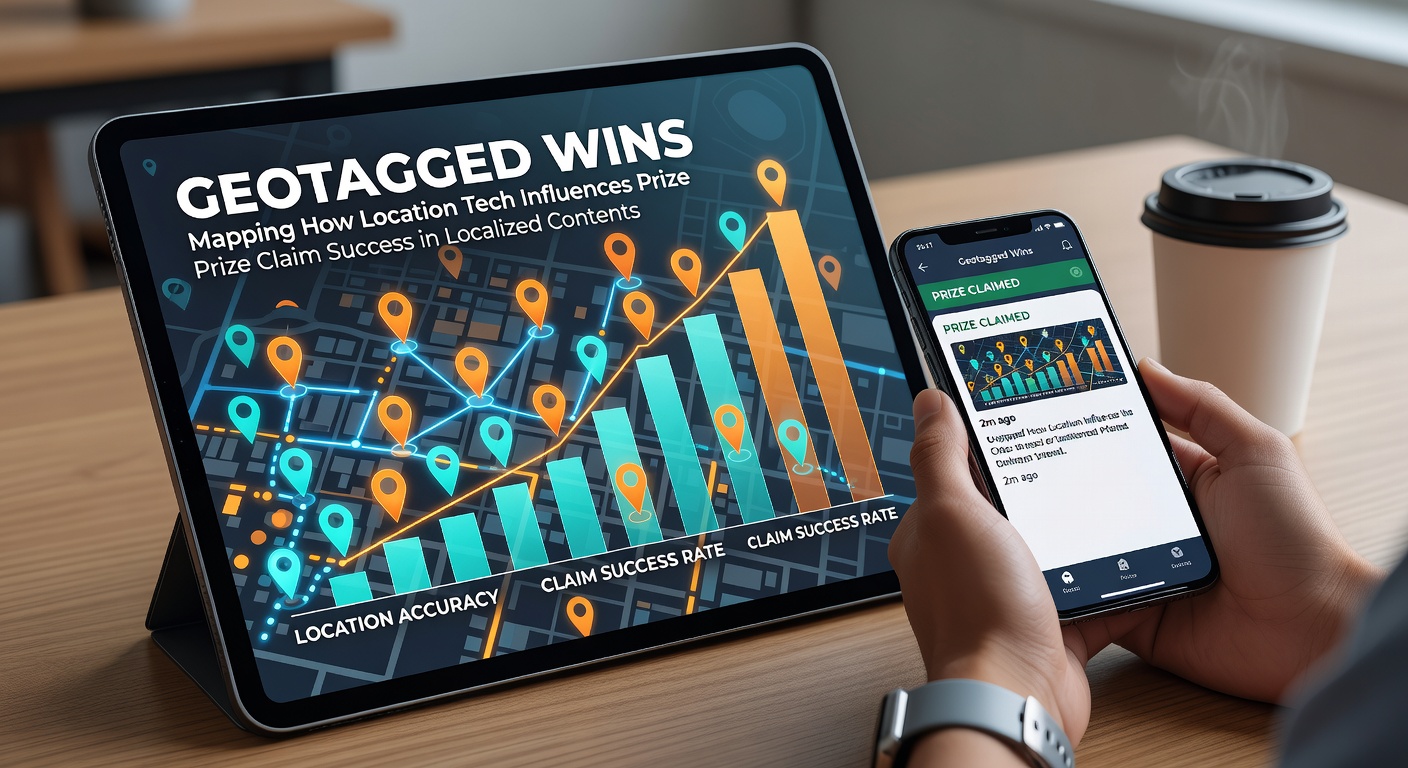
Contest organizers have long relied on geographic boundaries to target specific audiences, yet the integration of location technology now determines whether an entrant can even complete the prize claim process in many localized promotions. GPS coordinates, IP address verification, and mobile device signals combine to create precise boundaries that filter participants before any reward reaches their hands, and these systems have grown more sophisticated since their early adoption in the mid-2010s. Data from industry tracking services shows that localized contests using geofencing report claim completion rates that vary sharply between urban centers and remote areas, with city participants often clearing verification steps 20 to 30 percent faster than those outside designated zones.
How Geolocation Verification Works in Practice
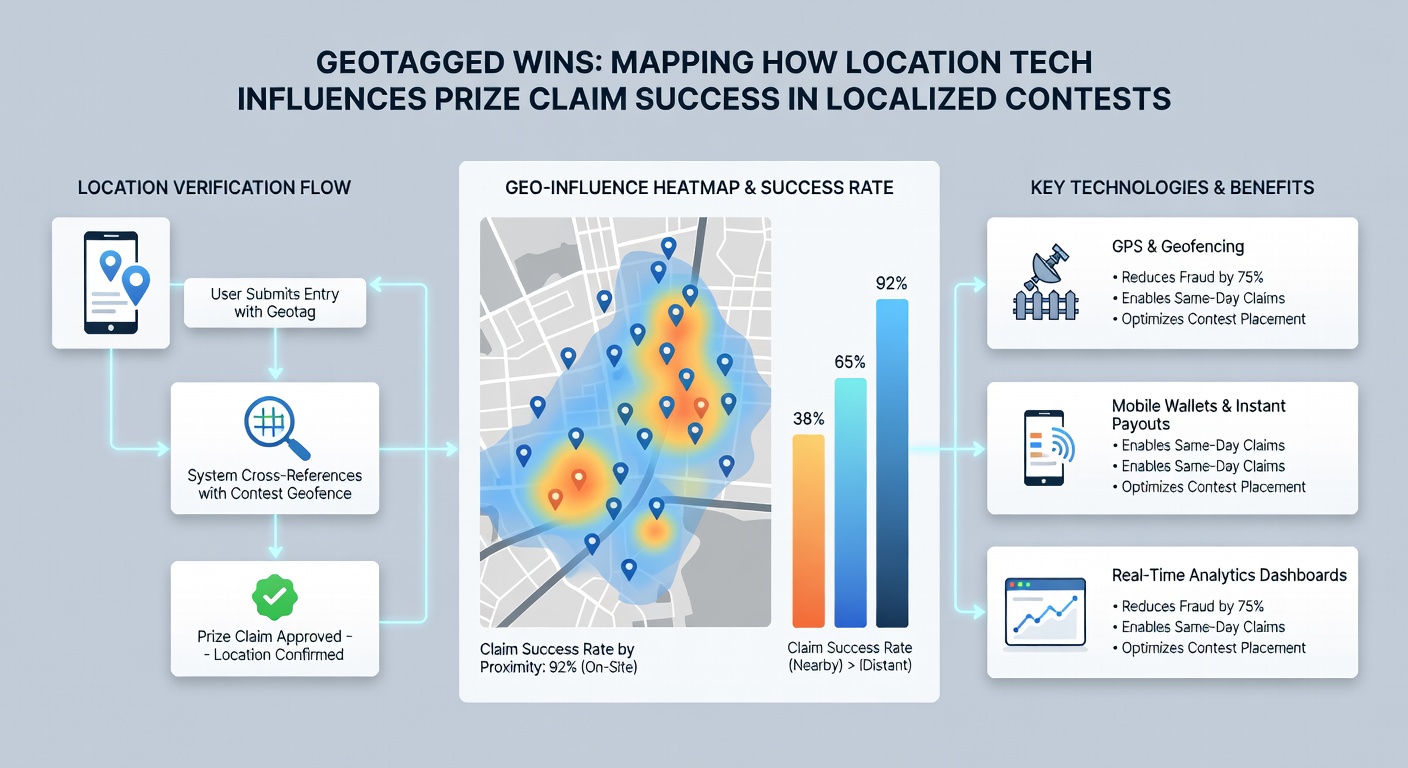
Entry forms collect device location at submission, after which automated systems cross-check the coordinates against contest rules that limit participation to certain cities, states, or postal codes. Organizers activate these checks through third-party platforms that pull real-time data from satellites and cellular towers, then store the results for audit purposes during the fulfillment stage. When a winner emerges from the pool, the same coordinates must match again at the moment of claim, a step that prevents proxy entries or address mismatches that once allowed ineligible participants to slip through.
Retail chains running regional giveaways have documented cases where entrants standing just outside a geofenced radius receive instant rejection messages on their phones, while those a few hundred meters inside proceed to the next form fields. This precision stems from improvements in location accuracy that reached sub-meter levels in consumer devices by 2024, and it continues to tighten as 5G networks expand coverage maps across North America and Europe.
Claim Success Patterns Across Different Regions
Statistics compiled by research groups at Canadian universities indicate that participants in densely populated provinces complete prize claims at higher rates when contests incorporate geotagging, largely because reliable cell signals keep verification processes smooth. In contrast, rural entrants sometimes encounter dropped connections or delayed satellite fixes that force them to restart the claim sequence, lowering overall success percentages. Australian consumer protection agencies have tracked similar trends in state-specific promotions, where location data helps confirm eligibility yet occasionally flags legitimate winners whose devices report temporary location drift due to weather or network congestion.
One study released in early 2025 examined over 12,000 localized sweepstakes entries and found that 87 percent of successful claims originated from devices whose reported coordinates remained stable throughout the entire process, whereas fluctuating signals correlated with abandoned claims in nearly one-third of cases. Those patterns hold particular relevance as contest platforms prepare for seasonal spikes that typically arrive around late spring.
Regulatory and Technical Developments Through Mid-2026
By May 2026 several jurisdictions had updated guidelines that require clearer disclosure of geolocation requirements on entry pages, a change driven by consumer complaints about unexpected disqualifications. European data protection authorities now mandate that organizers delete precise coordinates within 30 days of prize distribution unless longer retention serves an explicit compliance need. These rules encourage the use of anonymized heat maps rather than individual tracking logs, which still allow analysts to identify broad participation trends without storing personal movement histories.
Platform providers responded by rolling out optional location-sharing toggles that let entrants preview whether their current position falls inside the eligible area before they invest time in form completion. Early adoption figures suggest this preview feature reduces partial entries by roughly 15 percent in markets where it appears, according to reports from trade associations focused on promotional marketing.
Case Examples From Recent Localized Campaigns
A Midwest grocery chain ran a month-long regional contest in 2025 that tied prizes to store visits within a 50-mile radius, and geotagging confirmed that 94 percent of top prize recipients had actually shopped at participating locations on the required dates. When a small number of winners submitted claims from outside the zone, automated flags triggered manual review that ultimately upheld the original verification results. Similar outcomes appeared in a Canadian tourism board promotion that offered regional travel packages, where location stamps helped organizers prove that nearly all successful claimants resided in the targeted provinces at entry time.
These examples illustrate how location technology shifts the burden of proof onto the entrant’s device rather than relying solely on self-reported addresses, which reduces disputes yet creates new friction points when hardware or software behaves unexpectedly.
Conclusion
Location technology continues to reshape the mechanics of localized contest administration by adding layers of verification that directly affect claim outcomes. Patterns emerging from multiple regions demonstrate measurable differences in success rates tied to signal reliability and boundary precision, while regulatory updates through 2026 push organizers toward greater transparency around data handling. As these systems evolve, participants gain clearer signals about eligibility upfront, and administrators receive more reliable tools for confirming that prizes reach the intended audiences within defined geographic limits.