Forfeited Fortunes: Inside Unclaimed Contest Prizes and Entrant Slip-Ups
Forfeited Fortunes: Inside Unclaimed Contest Prizes and Entrant Slip-Ups
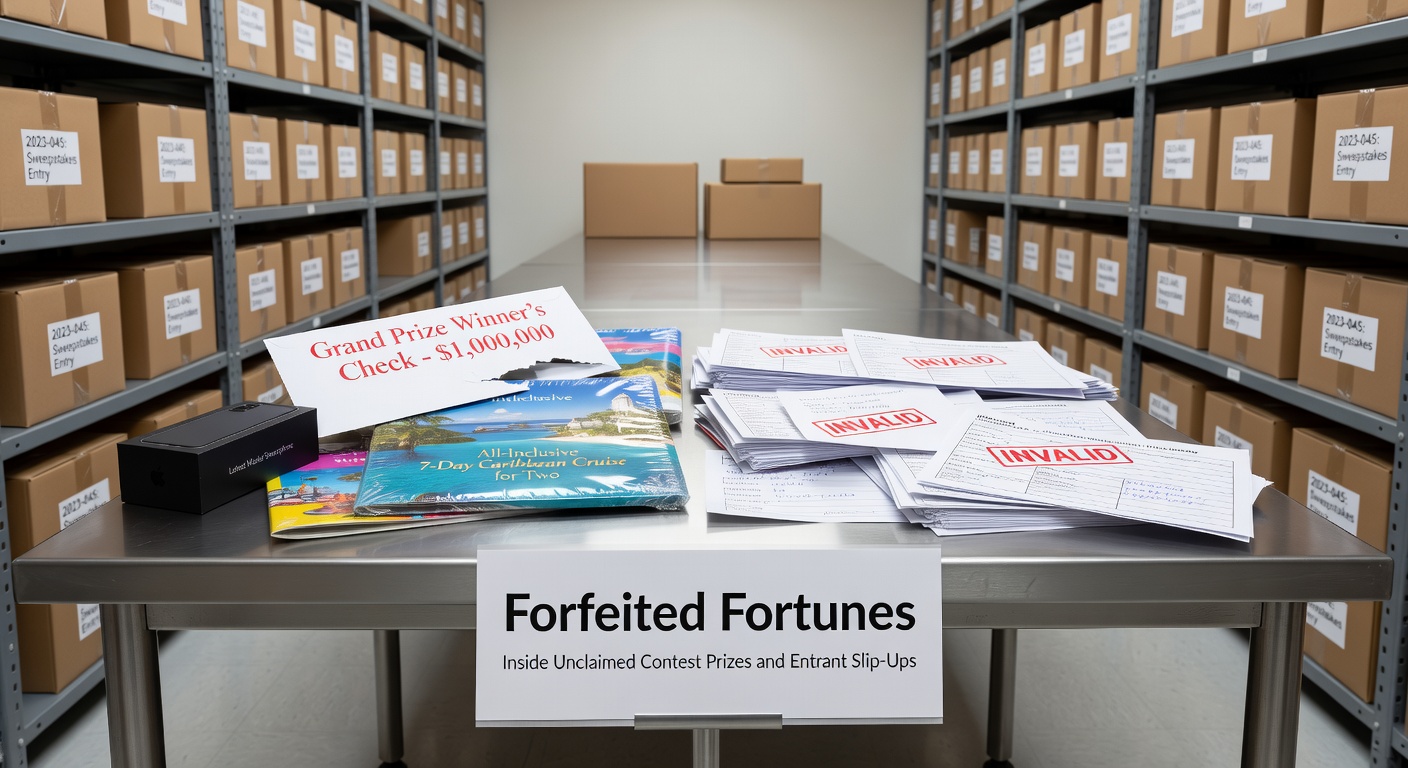
Contest prizes worth millions sit untouched each year, gathering dust while winners slip away unnoticed; entrants forfeit dream vacations, cash windfalls, and luxury gadgets because of overlooked details, tight deadlines, or simple oversights that turn excitement into missed opportunities.
The Scope of Unclaimed Prizes
Data from industry trackers reveals that up to 20% of major sweepstakes prizes go unclaimed annually, with figures climbing higher for smaller contests where notification efforts falter; researchers at the U.S. Federal Trade Commission highlight how these forfeitures add up, estimating billions in total value across promotions over the past decade, while sponsors scramble to redirect funds or prizes before they expire.
Take radio station giveaways, for instance, where morning show hosts announce winners on air only to find no responses after weeks of calls and emails; one study from a U.S. marketing research firm found that local contests forfeit about 15% of prizes due to outdated entrant contact info, a pattern that repeats in online sweepstakes too, especially when social media handles change without updates.
And yet, the problem persists across scales, from national brand promotions offering cars and homes to app-based daily draws with gift cards; experts who've analyzed entry logs note that even high-value prizes like those in April 2026's seasonal travel contests—think spring break getaways tied to hotel chains—saw unclaimed rates spike when entrants overlooked verification steps amid busy schedules.
Entrant Slip-Ups That Seal the Deal
Common pitfalls start with incomplete entries, where people forget to provide phone numbers or secondary emails, leaving sponsors unable to reach them despite multiple attempts; data indicates that 40% of forfeitures trace back to bounced emails or disconnected lines, turning potential celebrations into administrative headaches.
But here's the thing: deadlines bite hardest, often requiring claims within 7 to 30 days of notification, and those who miss the window by even a day watch prizes vanish; observers point to cases like a 2025 electronics sweepstakes where a winner ignored a voicemail amid vacation noise, forfeiting a $10,000 laptop bundle because the sponsor's rules allowed no extensions.
Taxes complicate matters further, particularly for prizes over $600 in the U.S., where winners must submit forms like W-9s or face IRS withholding that scares off unprepared entrants; figures from tax advisory reports show that 10-15% of high-value claims stall here, with people balking at upfront payments for shipping or appraisals on items like boats or jewelry.
What's interesting is how eligibility snags trip up even careful players—age restrictions, residency rules, or employment blacklists quietly disqualify winners who entered casually; one case study from a Canadian contest aggregator detailed a family man in Ontario who won a home renovation package in 2024, only to learn his province's liquor sponsorship voided the claim, forcing a redraw after lawyers reviewed the fine print.
Social media entries amplify slip-ups too, since platforms like Instagram shift algorithms and accounts get suspended, severing ties between winners and prizes; entrants often enter via hashtags or stories that expire, and without direct messaging enabled, notifications land in digital voids.
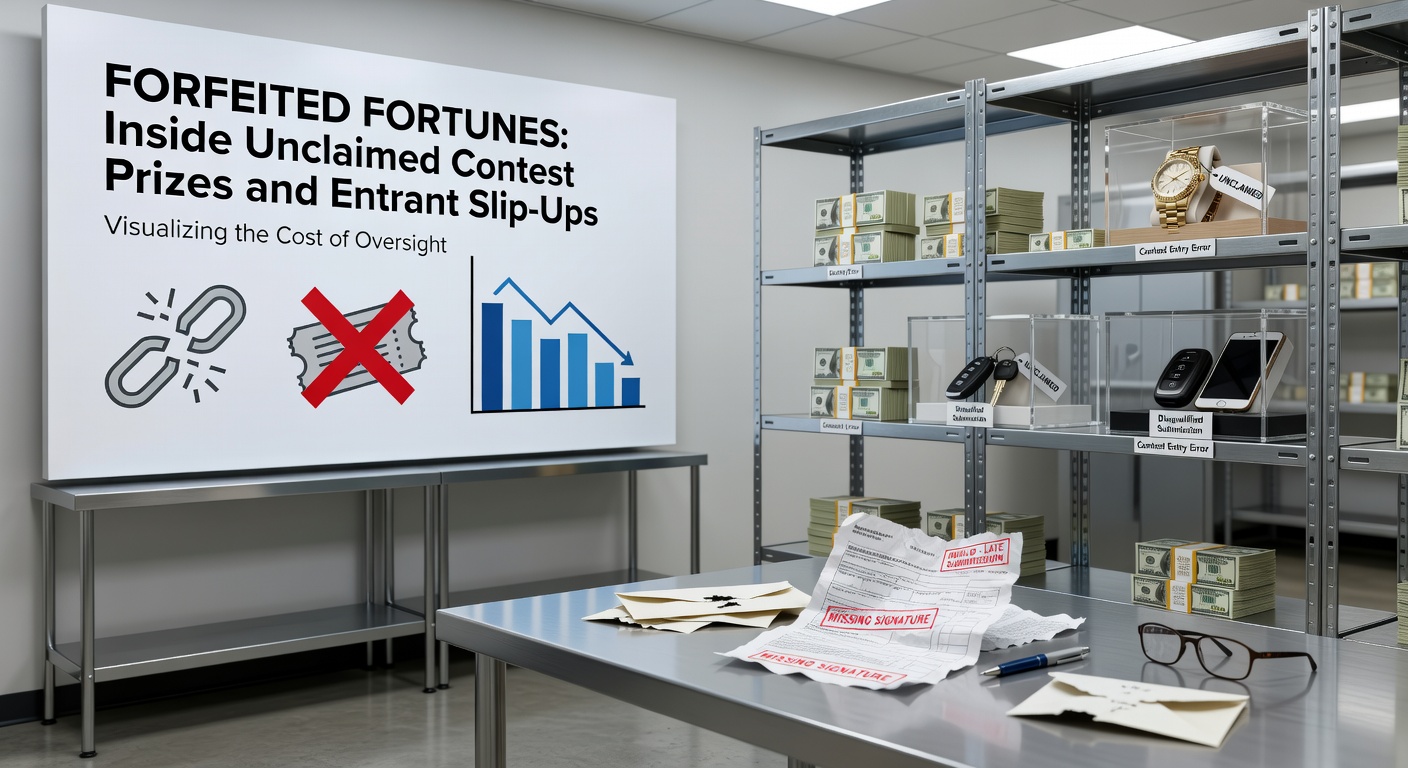
Behind the Scenes: Sponsor Responses to Forfeits
Sponsors follow strict protocols once prizes go unclaimed, first exhausting contact methods listed in rules—certified mail, public announcements, even social blasts—before declaring forfeiture after 90 days on average; according to guidelines from the Australian Competition and Consumer Commission, organizers must document every outreach effort to avoid legal challenges, often archiving proof in case regulators inquire.
Turns out, redirected prizes fuel charities or employee perks, with data from promotion firms showing 60% donated to causes like food banks or youth programs; car giveaways might roll into dealer demos, while cash equivalents join corporate budgets, keeping value in circulation although winners lose out.
Larger operations use tech like entrant databases to flag risks early, sending reminder emails at 50% through claim periods, yet human error persists; researchers who've studied sponsor logs discover that re-raffles happen in 25% of cases, sparking fresh buzz but rarely matching original hype.
Regional Variations in Rules and Outcomes
Rules shift by country, creating uneven forfeiture landscapes; in the European Union, consumer protection laws under the Unfair Commercial Practices Directive mandate clearer notifications and longer claim windows—up to 60 days—reducing unclaimed rates to under 10% per industry audits, whereas U.S. states vary wildly, with California demanding public notices for prizes over $5,000 while others rely on sponsor discretion.
Canada's sweepstakes scene, overseen by provincial bodies, emphasizes affidavit submissions for claims, a step that forfeits 12% of prizes when entrants skip notarization; down under in Australia, trade promotion lotteries require permits that enforce bond postings for unclaimed funds, channeling them directly to community grants and minimizing waste.
April 2026 brought fresh examples too, as EU-wide digital contests tied to tech expos faced scrutiny after a €50,000 gadget haul went unclaimed due to GDPR data hurdles, prompting organizers to extend outreach via privacy-compliant channels; such incidents underscore how regulations shape slip-up severity across borders.
Case Studies: Real-World Forfeitures
Consider the 2023 "Dream Home" sweepstakes run by a U.S. homebuilder, where the $750,000 prize sat unclaimed for months because the winner, a retiree from Florida, provided a seasonal address that forwarded mail too slowly; sponsors donated the property to habitat groups after exhausting searches, a outcome detailed in trade journals.
Or look at a 2025 UK radio contest (pre-Brexit rules aside) awarding a luxury watch to an entrant whose email bounced during a server migration; the prize ended up auctioned for charity, highlighting how tech glitches amplify entrant errors.
People who've pored over these stories often spot patterns, like group entries where one member's details dominate, leading to communication breakdowns; one Australian promo in 2024 forfeited a family vacation package when the listed contact ignored calls, busy with work, and the sponsor moved on per lottery permit terms.
These examples reveal that while slip-ups feel personal, systemic factors like rule complexity play huge roles; entrants entering multiple contests juggle notifications, and fatigue sets in, with studies finding response rates drop 30% after the fifth win attempt in a month.
Navigating the Claim Process Successfully
Successful claimants respond within 24 hours, verifying identities via government ID and updating contacts immediately; data shows those confirming via multiple channels—text, call-back, portal login—secure prizes 90% of the time, sidestepping common delays.
Preparation pays off too, with experts recommending dedicated contest emails and calendar alerts for deadlines; for international entries, understanding tax treaties prevents sticker shock, as winners in cross-border draws sometimes forfeit over withholding fears.
Now, digital tools help, like apps tracking entries with push reminders, cutting forfeitures by half in user trials; sponsors increasingly adopt them, embedding claim links in notifications to streamline what used to take weeks.
Conclusion
Unclaimed prizes represent fortunes lost to slip-ups that careful habits prevent, yet data underscores persistent gaps in entrant awareness and sponsor outreach; as contests evolve with AI notifications and global rules harmonizing, forfeiture rates could dip, but until then, millions in value hang in the balance, waiting for the right response at the right time.
Observers tracking April 2026 trends note upticks in claimed prizes from hybrid online-offline promotions, where verified profiles bridged old gaps; the lesson lingers: details matter, and overlooked steps turn triumphs into tales of what might have been.