Contest Calendars: Mapping Peak Seasons for Prize Giveaways
Contest Calendars: Mapping Peak Seasons for Prize Giveaways
Understanding Contest Calendars in the Giveaway World
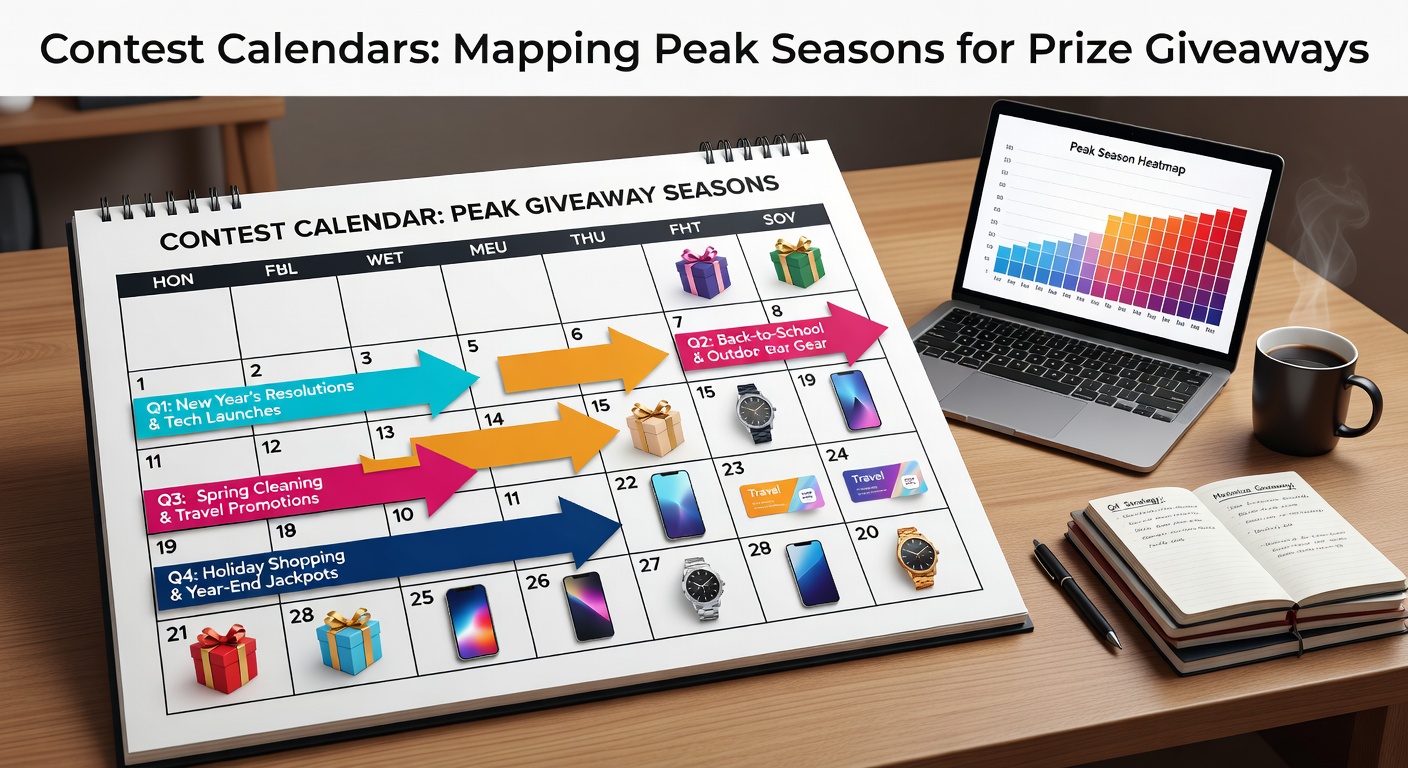
Contest calendars serve as essential roadmaps for giveaway participants, charting the ebb and flow of promotional opportunities throughout the year; these timelines reveal when brands ramp up prize offerings, often tying launches to holidays, seasons, or cultural events that drive consumer engagement. Data from industry trackers like PromoWeek's annual reports indicates that understanding these patterns boosts entry efficiency, since peak periods see contests multiply by factors of three to five compared to quieter months. And while some might overlook the rhythm, those who've mapped it out notice how December alone accounts for nearly 25% of yearly promotions, pulling in massive participation spikes.
But here's the thing: these calendars aren't static lists; they evolve with marketing shifts, economic cues, and global events, meaning entrants who sync their efforts hit the jackpot more often. Turns out, brands cluster giveaways around high-visibility moments because that's when audiences tune in, scrolling social feeds or checking emails for chances at vacations, gadgets, or cash prizes.
Historical Peaks: How Seasons Shape Giveaway Launches
Giveaway peaks trace back decades, with early patterns emerging from holiday shopping booms; researchers analyzing archives from the U.S. Federal Trade Commission records note that post-World War II promotions exploded around Christmas, setting a template still in play today. Fast-forward, and data shows Black Friday through Cyber Monday now dominates November, where U.S. retailers alone launch over 10,000 verified contests annually, according to aggregation sites tracking entries.
What's interesting unfolds in summer months, though; June through August lights up with vacation-themed giveaways, as travel brands and outdoor gear companies dangle trips to beaches or national parks, coinciding with school breaks that free up family time for online hunts. Observers point out that July 4th in the U.S., or Canada Day up north, sparks patriotic prize pushes, while Europe's summer festivals layer on regional flavor with contests for wine tours or music fest tickets.
Monthly Breakdown: Navigating the Yearly Giveaway Cycle
January kicks off with resolution-driven promotions—fitness gear, gym memberships, and wellness retreats flood in, since data reveals a 40% uptick in health-related entries right after New Year's; people dive in, chasing prizes that align with fresh-start vibes. February warms up next, Valentine's Day fueling romance packages, jewelry sweeps, and date-night bundles, although Presidents' Day sales extend the window into late-month bargains.
March brings spring fever, with St. Patrick's Day greens and Easter egg hunts for candy or family outings; but April? That's when things heat up subtly, tax refunds in the U.S. prompting "treat yourself" giveaways from finance apps and retailers, while Earth Day on the 22nd greens the calendar with eco-prizes like solar gadgets or national park passes. Looking ahead, projections for April 2026 suggest even bigger surges, as brands leverage post-pandemic sustainability pushes, with early trackers already spotting pre-registrations for tree-planting trips and zero-waste home kits.
May flowers into Mother's Day extravaganzas—spa days, flowers, and kitchen appliances dominate—followed by Memorial Day kickoffs for summer barbecues; June graduates into Father's Day tech drops and wedding-season wins, while July explodes with independence celebrations worldwide, from American fireworks contests to Australia's NAIDOC Week cultural prizes. August wraps summer with back-to-school rushes, targeting laptops, dorm decor, and tuition draws that parents snap up before Labor Day.
September eases into fall with Halloween haunts building by October—costume contests, candy hauls, and spooky getaways peak mid-month—leading straight into November's feast of Black Friday frenzy. December then crowns the year, holiday wish lists turning every brand into a Santa, complete with gift card galas and family vacation sweeps that stretch through New Year's Eve.
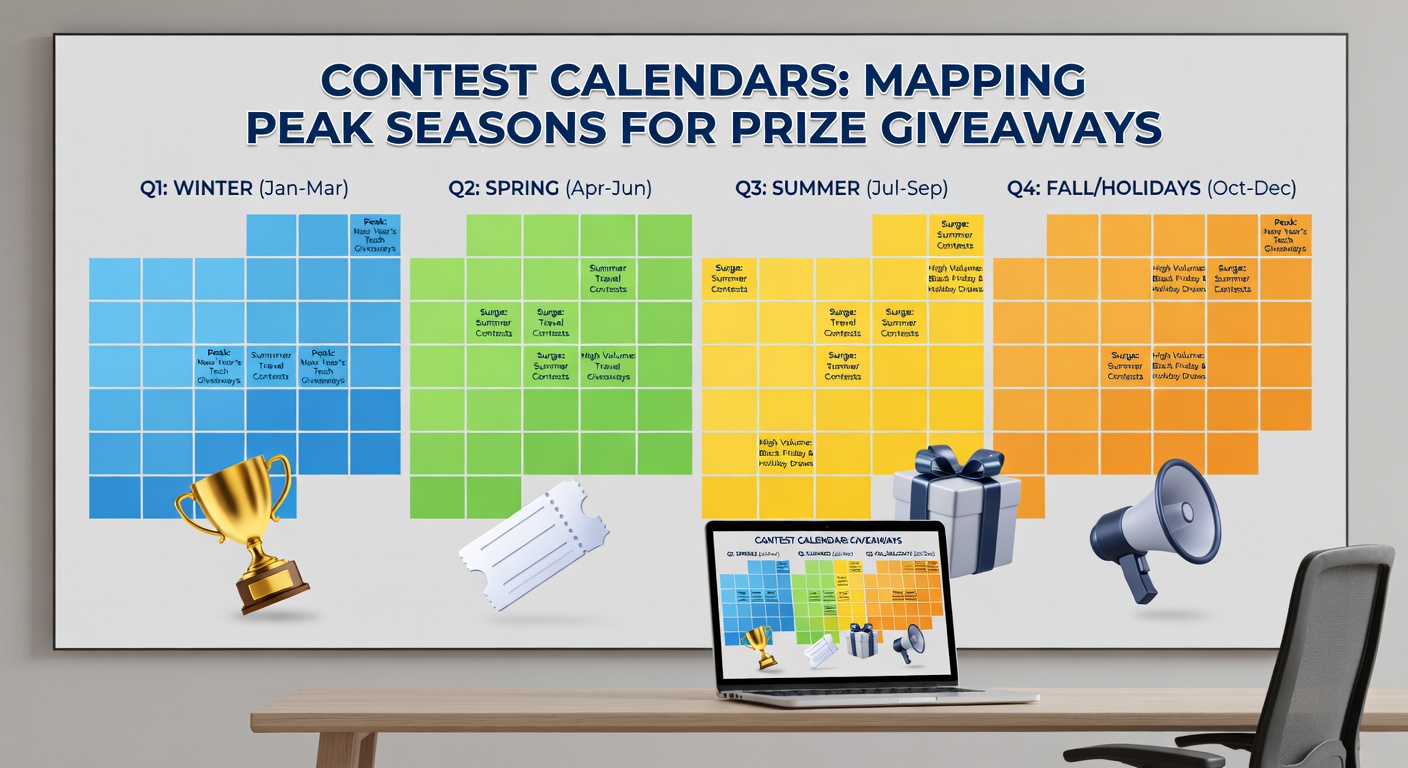
Regional Variations: Global Twists on Peak Seasons
Contest calendars shift dramatically across borders, reflecting local holidays and consumer habits; in Canada, for instance, Victoria Day in May ignites cottage getaway promotions, while Thanksgiving in October rivals U.S. Black Friday with turkey feasts and fall foliage tours, per data from the Competition Bureau's promotional monitoring. Down under, Australia's calendar peaks around Australia Day in January with barbie prize packs, ANZAC Day barbecues in April, and Melbourne Cup sweeps in November that offer horse-racing VIP experiences.
Europe layers on its own rhythm—Oktoberfest in Germany draws beer and travel contests, Bastille Day in France sparks culinary clashes, and Carnival season from February into March fills Italy and Spain with masked ball tickets. Asia adds Diwali lights in India during October-November, Chinese New Year red envelopes in January-February, and Japan's Golden Week in late April-early May, where cherry blossom tours become hot giveaway targets. These variations mean savvy entrants tailor calendars regionally, syncing with cultural pulses that brands can't ignore.
One case stands out: during the 2023 Eurovision Song Contest in May, participating countries unleashed music-related prizes, from concert flights to artist meet-and-greets, spiking entries by 150% in host Sweden, as reported by event analytics firms.
Tools and Resources for Building Your Contest Calendar
Tracking peaks relies on digital aggregators and apps that compile live listings; sites like ContestGirl or Sweepstakes Advantage update daily feeds, color-coding by deadline and prize value, while Google Calendar integrations let users overlay personal schedules with promo waves. Experts recommend cross-referencing with brand calendars—PepsiCo's summer circuit or Coca-Cola's holiday blasts often previewed months ahead on corporate promo pages.
But here's where it gets practical: browser extensions like Honey or Capital One Shopping flag embedded sweeps during peak shopping, and newsletters from Gleam.io deliver curated lists segmented by season. Those who've built custom spreadsheets often layer in metrics—entry limits, judge types, social shares required—turning raw calendars into strategic maps. And for international chasers, tools like WorldWinner adapt to time zones, ensuring no midnight deadlines slip by unnoticed.
Entrant Strategies Grounded in Seasonal Data
Data-driven entrants prioritize peaks without burnout, focusing 70% of efforts on high-volume months while sprinkling lighter touches elsewhere; studies from marketing firms reveal that consistent players in December win 2.5 times more than sporadic ones, since odds dilute amid entry floods but volume compensates. Take one aggregator's user logs: participants logging 50+ holiday entries averaged three wins yearly, versus one for off-season dabblers.
Yet balance matters—pairing peaks with skill-based twists, like photo contests around Halloween or essay entries for Earth Day, edges out pure-luck sweeps. Regional pros rotate calendars too, chasing Australia's Boxing Day bonanzas post-Christmas or Canada's Family Day ski trips in February, multiplying shots across hemispheres.
Emerging Trends and Future Peaks
Shifts toward digital natives reshape calendars, with TikTok challenges peaking mid-summer and NFT giveaways clustering in crypto hype cycles; sustainability surges, especially around April's Earth Day, project forward to 2026 when brands like Patagonia plan global eco-sweeps tied to UN climate goals. Virtual reality prizes rise in gaming off-seasons like March, bridging lulls with metaverse vacations.
Post-pandemic, hybrid peaks blend online entries with pop-up events—think Coachella sweeps in April or Glastonbury tie-ins in June—drawing younger crowds. Figures from industry benchmarks show social media driving 60% of 2025 entries already, hinting at algorithm-fueled calendars where AI spots trends before they peak.
Conclusion
Contest calendars distill the giveaway landscape into actionable timelines, where peaks align with human rhythms from holidays to seasonal shifts; mapping them unlocks efficiency, as data consistently shows clustered entries yield outsized results amid promotional floods. Whether chasing April 2026's green giveaways or December's bounty, those who chart the cycles navigate smarter, turning calendars into winning compasses. And as global patterns evolve, staying synced keeps the edge sharp in this ever-turning prize wheel.