Algorithmic Shadows: Tracing Random Number Generators and Their Hidden Biases in Automated Prize Drawings
Automated prize drawings depend on random number generators to select winners from large pools of entrants, and these systems range from software-based pseudorandom algorithms to hardware entropy sources that pull data from physical phenomena such as thermal noise or quantum fluctuations. Pseudorandom number generators like the Mersenne Twister produce sequences that pass many statistical tests yet remain deterministic once an initial seed value is set, which means the entire output stream becomes reproducible if that seed can be predicted or recovered through reverse engineering. Researchers at various institutions have documented cases where poor seeding practices, such as reliance on system clock values or limited entropy pools, introduced detectable patterns that skewed selection probabilities away from true uniformity.
Core Mechanisms Behind Prize Selection Systems
Software implementations often initialize generators with a combination of timestamps, process IDs, and available memory states, while hardware modules certified under standards from bodies like the National Institute of Standards and Technology incorporate dedicated chips that harvest entropy directly from unpredictable physical processes. Data from multiple lottery oversight reports shows that even certified systems require regular statistical testing because implementation errors in the surrounding code, such as incorrect range mapping or biased modulo operations, can distort final outputs even when the core generator itself meets uniformity criteria. In practice, prize platforms convert raw random values into winner indices by scaling them to the size of the entrant list, and any deviation in how floating-point arithmetic handles edge cases creates small but measurable advantages for certain positions in the list.
Documented Sources of Statistical Deviation
Studies examining historical drawing records reveal that certain pseudorandom algorithms exhibit slight periodicity over extremely long sequences, and when drawings occur frequently the same seed reuse patterns can emerge if system restarts or maintenance windows align predictably. Observers note that hardware failures, including sensor drift or electromagnetic interference, occasionally produce runs of correlated values that survive initial certification but surface during extended operational monitoring. Figures released by North American lottery associations indicate that post-draw audits catch these anomalies through chi-square and runs tests applied to archived selection data, prompting reseeding protocols or hardware replacements before the next cycle begins.
Certification Standards Across Regions
Regulatory frameworks in the United States, Canada, and Australia require independent laboratories to evaluate both the generator algorithm and its integration layer before approval for public drawings. The Canadian Gaming Association publishes guidelines that emphasize continuous entropy monitoring and mandatory reseeding intervals, while Australian state regulators mandate annual third-party reviews that include live entropy source sampling. These processes generate extensive test logs that track metrics such as serial correlation and distribution uniformity across millions of simulated draws, allowing administrators to identify drift before it affects actual prize allocations.
One notable implementation examined in academic literature involved a contest platform that inadvertently reused the same 32-bit seed across multiple daily drawings because the initialization routine failed to incorporate sufficient system entropy after server reboots. Subsequent analysis of the resulting winner sequences demonstrated non-random clustering that favored entrants whose entry IDs fell within specific modular ranges. Such findings prompted several operators to adopt hybrid architectures that combine software generators with periodic injections of hardware entropy collected from dedicated devices.
Emerging Monitoring Practices in 2026
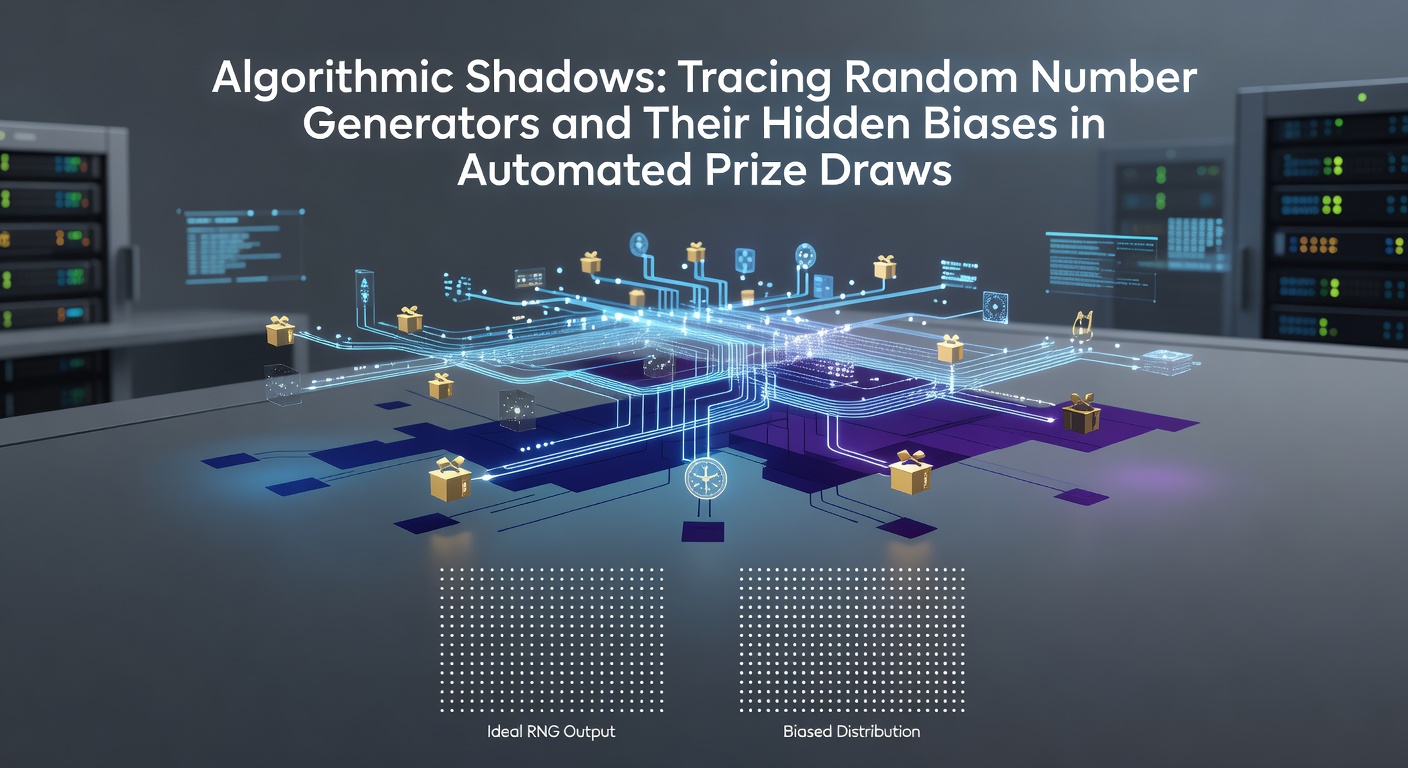
By May 2026 several jurisdictions had begun piloting real-time anomaly detection systems that compare live drawing outputs against precomputed statistical baselines derived from millions of prior simulations. These platforms flag deviations exceeding established thresholds and automatically trigger secondary verification draws using an independent generator instance. European regulators overseeing promotional contests have similarly updated their technical requirements to include mandatory logging of all entropy source health checks, creating audit trails that extend back through at least five years of operations for retrospective analysis when discrepancies arise.
Industry reports compiled by research groups affiliated with major universities highlight that modern containerized deployments sometimes introduce new bias vectors because virtualized hardware random number interfaces can return cached or throttled values under high load. Operators addressing this issue now maintain separate physical entropy appliances that feed raw bits directly into drawing servers through authenticated channels, bypassing virtual machine limitations entirely. Continuous monitoring dashboards display running statistical scores for each drawing batch, enabling rapid identification of any generator that begins to deviate from expected behavior.
Conclusion
Random number generator integrity remains a foundational requirement for automated prize drawings, and ongoing advances in both hardware entropy collection and statistical oversight continue to reduce the window during which hidden biases can persist undetected. Regulatory bodies across multiple continents maintain evolving certification standards that incorporate lessons from documented implementation failures, while operators increasingly adopt layered verification approaches that combine algorithmic testing with real-time output monitoring. These combined measures ensure that selection processes stay aligned with uniform probability expectations even as system complexity grows.